What it actually costs to bring AI help into a small business
Four realistic options, from DIY subscriptions to a service, and where the honest price tags sit, including where none exist.
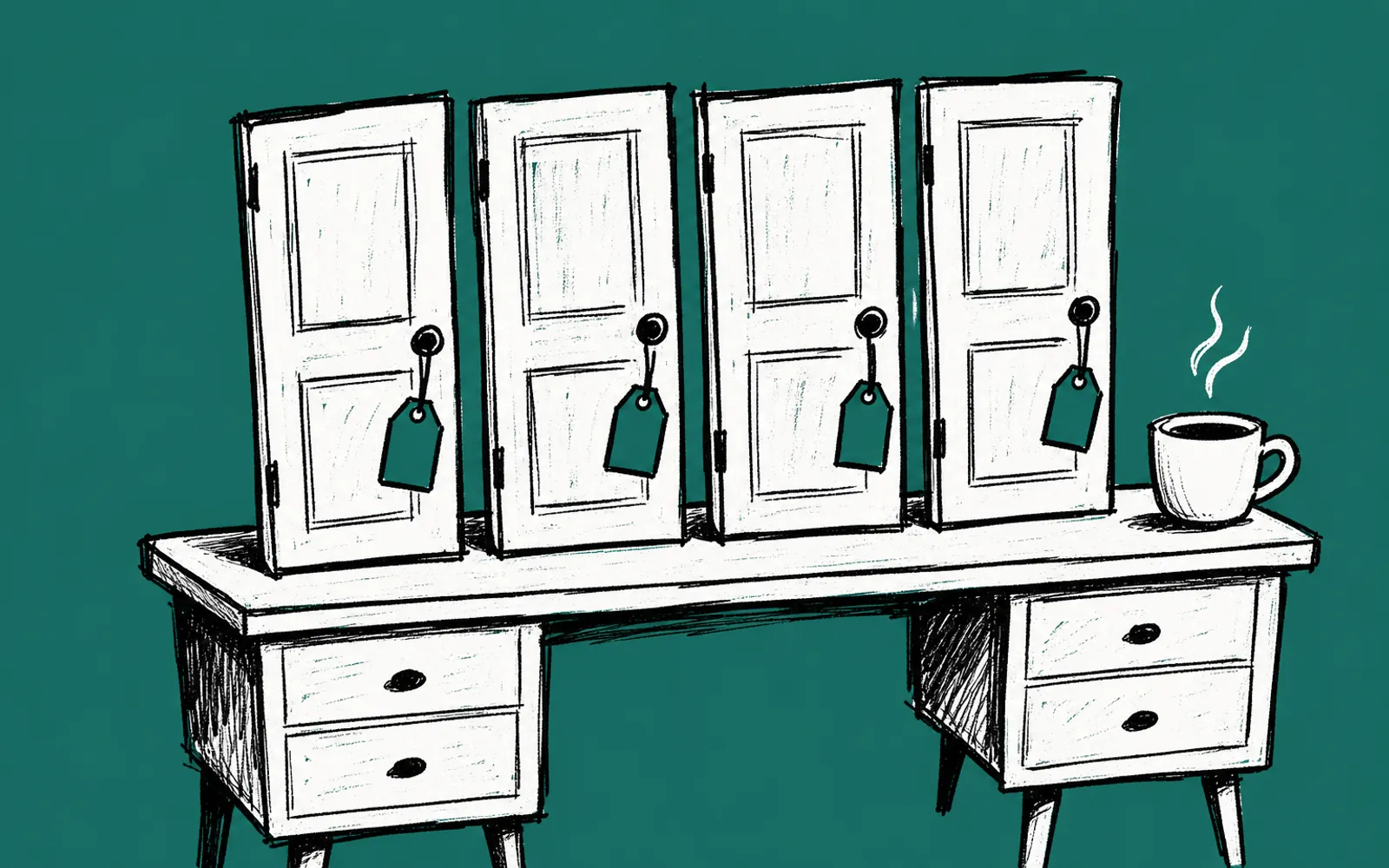
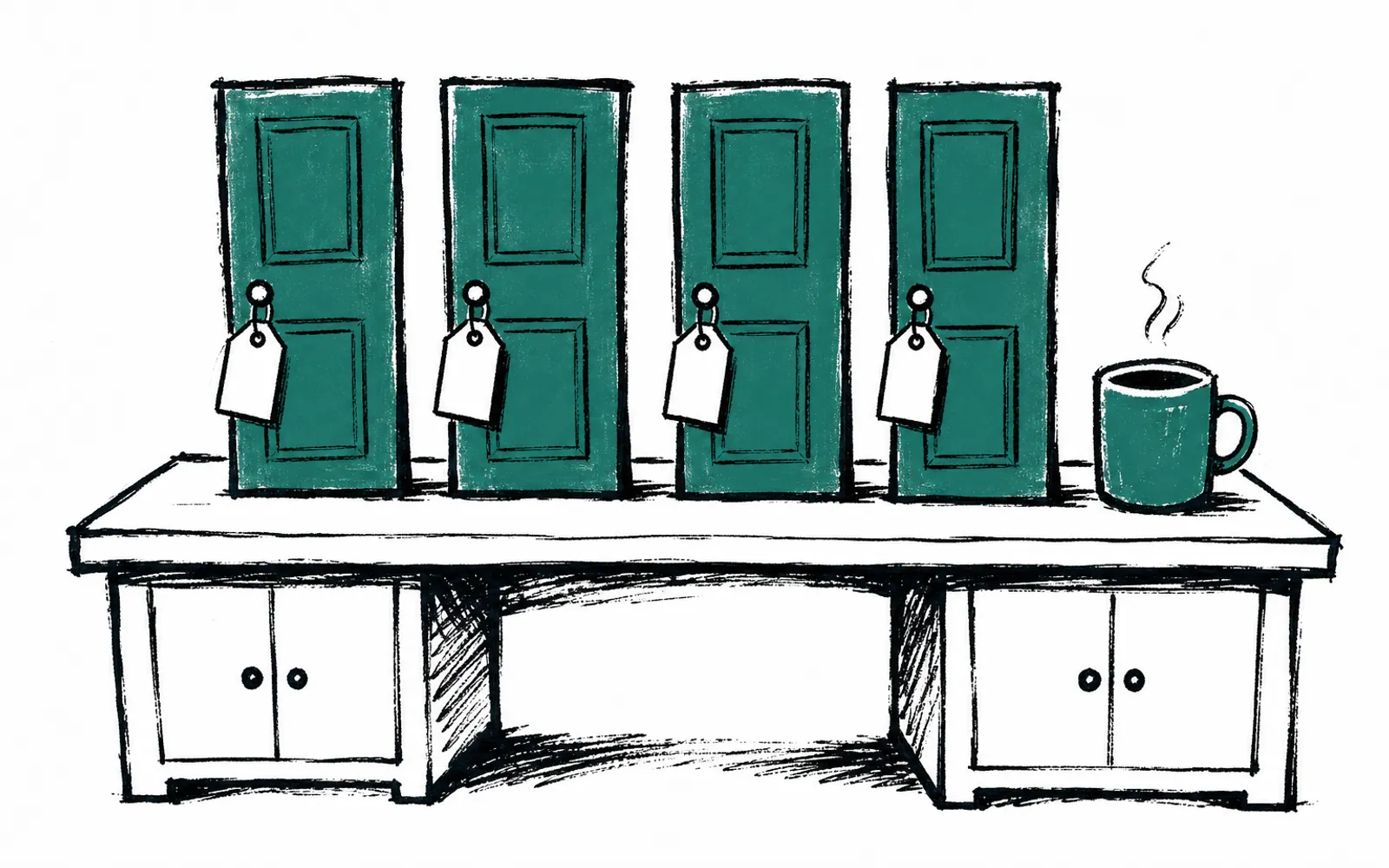
- There are four realistic ways to bring in AI help: do it yourself with a subscription, hire a freelance consultant, buy software tools, or work with an AI service.
- No source supplies dollar figures for subscriptions, consultants or tools, so this article will not invent them.
- One AI subscription such as ChatGPT or Claude is usually all an owner needs to start, paid directly.
- New York AI Lab has no public price. Everything starts with a free 25-minute fit call on Zoom.
It is 7 p.m. and you are still at the desk. Somewhere in the stack of follow-ups, quotes and half-finished admin there is work AI could do, and you have thought about it more than once. But the question that stops you is simple: what does AI help cost? Another monthly subscription, a consultant invoice, a software tool, or something you have not seen priced at all. This article lays out the realistic options and what each one honestly costs, including the places where no public price exists.
Option 1: Do it yourself with a subscription
The cheapest starting point is a subscription to a general AI assistant such as ChatGPT or Claude, paid directly to the provider. You use it yourself, on your own tasks, and you learn as you go. The trade-off is time. You are the consultant, the trainer and the user at once, and progress depends on evenings and weekends.
No source we can cite publishes a fixed monthly figure for these subscriptions, and we will not invent a range. What we can say plainly is that most owners we work with need one subscription, not several, and that the cost is whatever the provider charges, visible on their pricing page before you pay.
Option 2: Hire a freelance consultant
A freelance AI consultant works on your tasks for an hourly or project rate. You get expertise without becoming the expert. The honest trade-off is that no source supplies typical rates, so every number you see online is somebody's guess. The real costs to weigh are the rate, whether the work lands in your own accounts or theirs, and what happens after the invoice clears and they move to the next client.
Ask any consultant two questions before hiring: where will the accounts and the work live, and who maintains it in six months. If the answers are vague, the cost is higher than the rate.
Option 3: Buy an off-the-shelf tool
Software tools promise a fixed result: a follow-up tool, an intake tool, a dashboard. You pay the vendor's price and the tool does its one job. Again, no cited source publishes typical pricing for these tools, so check each vendor's own page rather than trusting a search result. The trade-off is fit. A tool built for everyone fits your exact workflow only partially, and the subscription count can quietly grow until you are paying for four things that overlap.
A practical rule: before buying a tool, write down the task it replaces and how often that task happens. If the task is small or rare, a subscription assistant often covers it without another line item.
Option 4: Work with an AI service
The fourth option is a service that puts a person in your corner. Our AI Concierge gives an owner one of our team, who learns the business and stays with you: two 1-hour working calls a month on real tasks, voice messages and email between calls with no limit on questions, help with small setups, and straight advice with accountability. Anything built lives in your own accounts and is yours to keep. Bigger builds, such as API connections, CRM integrations, hosted agents or dashboards, are scoped and quoted separately before anything starts.
There is no public price for this. That is deliberate. The first step is a free 25-minute fit call on Zoom, which looks at two tasks that repeat in your week and picks a first result worth having. Any cost is named before anything is bought. We do not guarantee savings or revenue. We pick useful work, measure what changed and report honestly.
Compare the trade-offs, not just the invoice
The subscription is cheapest in money and most expensive in your time. The consultant saves time but leaves the rate and the aftercare open. The tool is predictable but narrow. The service has no public price; pricing is discussed on the fit call, and any cost is named before anything is bought. Whichever you pick, the same two questions apply: who owns the work, and what happens to it if the relationship ends. Everything we build lives in the client's own accounts for exactly that reason.
How to take the first step with each option
- 01Pick one subscription
Choose ChatGPT or Claude, pay the provider directly, and use it on one repeating task this week.
- 02Screen a consultant
Ask where the work will live and who maintains it before agreeing to any rate.
- 03Test a tool
Write down the task it replaces and how often it happens before you pay the vendor.
- 04Book the fit call
Book a free 25-minute fit call on Zoom and look at two tasks that repeat in your week.
- 05Weigh what changed
After a month, look at what actually got faster and decide whether to continue.